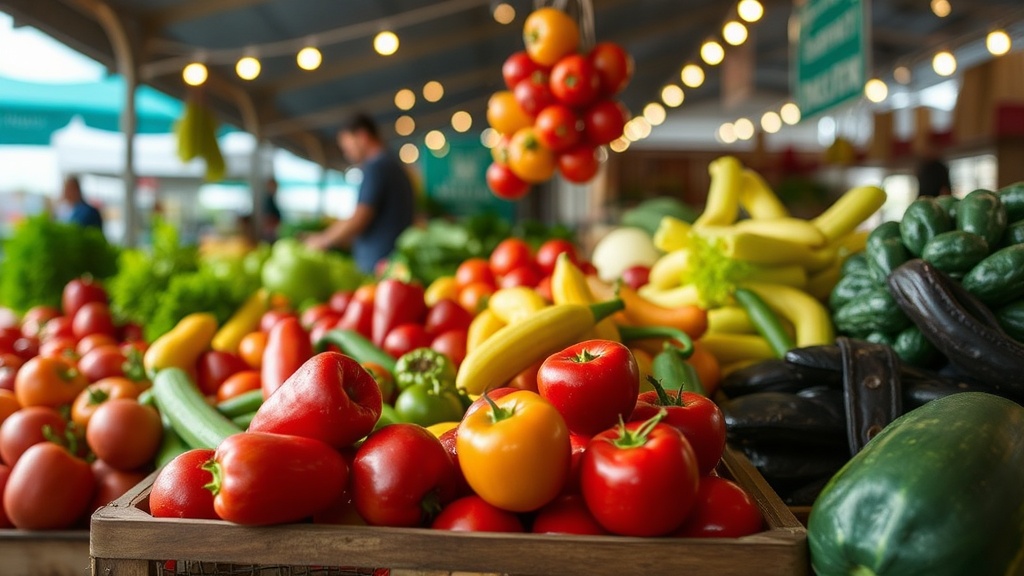
Finding the Best Seasonal Produce at Tecumseh Farmers Markets

Most people assume that buying seasonal produce at a local market is just a more expensive way to get the same vegetables you find at a big-box grocery store. That's a mistake. While the price per pound might look higher at first glance, the nutrient density, flavor profile, and actual shelf life of produce from the Chatham-Kent or Essex County regions far exceed the mass-distributed stuff. This guide explains how to time your visits to the Tecumseh area markets to get the highest quality food for your money.
If you want to stop overpaying for subpar vegetables, you need to understand the specific rhythms of the Ontario growing season. We're looking at how to identify peak ripeness, when to shop for specific crops, and how to handle the local logistics of the Tecumseh area.
When is the best time to shop for seasonal produce in Essex County?
The best time to shop for peak seasonal produce in the Tecumseh area is between late June and early October. This window captures the height of the Ontario growing season when the soil temperature is optimal for both leafy greens and heavy summer crops. If you show up in May, you'll mostly find greenhouse products or early spring greens; if you wait until late October, your options narrow significantly.
The local agricultural cycle follows a predictable pattern. You can't expect juicy heirloom tomatoes in a Tecumseh market in May—it just doesn't work that way. You have to match your shopping list to the calendar.
Here is a breakdown of what to look for throughout the year:
- Late Spring (May - June): Focus on radishes, spring onions, and early greens. The weather is still unpredictable, so heavy crops aren't ready yet.
- High Summer (July - August): This is the gold standard. This is when you find the best corn, berries, cucumbers, and peppers.
- Early Autumn (September - October): Transition to hearty vegetables like squash, pumpkins, and root vegetables.
It's worth noting that the most popular items—like sweet corn—sell out fast. If you arrive at 9:00 AM on a Saturday, you'll have the best selection. By 1:00 PM, the best vendors are often packing up their best crates. (I've learned this the hard way more than once.)
For those interested in the technicalities of how soil quality affects local yields, the Wikipedia page on Ontario agriculture provides a great overview of the regional-specific growing conditions that make our local produce so distinct.
How much does seasonal produce cost compared to grocery stores?
The cost of seasonal produce at a local market is generally comparable to or slightly higher than a standard grocery store, but the value is found in the longevity of the product. While a head of lettuce from a discount grocer might be cheaper, it often wilts within days. Local produce, often harvested only 24-48 hours before sale, stays fresh much longer in your fridge.
Let's look at a rough comparison of typical seasonal items in the Chatham-Kent and Essex area:
| Produce Item | Typical Market Price (Seasonal) | Typical Grocery Price (Year-round) | Value Note |
|---|---|---|---|
| Sweet Corn | $0.50 - $1.00 / ear | $0.80 - $1.25 / ear | Market corn is significantly sweeter. |
| Strawberries | $4.00 - $6.00 / pint | $5.00 - $7.00 / pint | Local berries have much more flavor. |
| Heirloom Tomatoes | $4.00 - $5.00 / lb | $3.00 - $5.00 / lb | Higher quality than greenhouse varieties. |
Don't be fooled by the "premium" tag on some organic labels. Often, the simplest way to get organic-quality food is to buy what is currently in season from a local farmer. When a vegetable is in its natural season, it doesn't require as much chemical intervention to taste good.
If you are looking for specific nutritional data to justify the cost, the Government of Canada food and nutrition resources offer excellent data on why fresh, seasonal eating matters for long-term health.
How do I identify high-quality vegetables at a market stall?
You identify high-quality vegetables by looking for physical indicators of freshness: weight, color intensity, and structural integrity. High-quality produce should feel heavy for its size (especially with things like tomatoes or peppers) and should not show signs of bruising or soft spots.
When you're standing at a stall in Tecumseh, don't be afraid to pick things up. If you're buying cucumbers, they should be firm and snap easily. If you're buying berries, look for a deep, consistent color. A pale berry is a berry that was picked too early and will never actually ripen on your counter.
Here are three quick checks for common items:
- Root Vegetables: Look for skin that is smooth and firm. If the carrots or parsnips look shriveled, they've been sitting out too long.
- Leafy Greens: The edges should be crisp, not limp or brown.
- Fruit: For things like peaches or plums, the skin should be taut. Any wrinkling is a sign of dehydration.
One thing to remember—the "perfect" looking vegetable isn't always the best one. In a world of highly processed food, we've been trained to want perfectly uniform shapes. Local, seasonal produce often looks a bit "wonky." A slightly crooked carrot is still a delicious carrot. In fact, it's often a sign that it wasn't mass-produced in a controlled industrial environment.
The goal is to find produce that looks like it actually grew in the ground, not in a factory. This is why the flavor profile of a local tomato beats a greenhouse-grown one every single time. The difference is night and day.
The best way to approach a market is with a sense of curiosity. Talk to the farmers. Ask them, "When did you harvest this?" or "What's the best way to cook this?" Most of the people selling at these markets are experts in their specific crop. They aren't just salespeople; they are growers. They want you to have a good experience because a returning customer is a win for them.
If you find yourself confused about how to store what you've just bought, check the packaging or ask the vendor. Many local producers provide specific instructions for keeping their produce fresh. It's a small detail that makes a huge difference in reducing food waste in your own kitchen.
The local-first approach isn't just about supporting the economy in Essex County—it's about the quality of what you put on your dinner table. When you buy a bushel of apples or a bag of greens from a neighbor, you're getting the best of what Ontario has to offer.
Steps
- 1
Check the Seasonal Calendar
- 2
Bring Reusable Bags
- 3
Arrive Early for Best Selection